

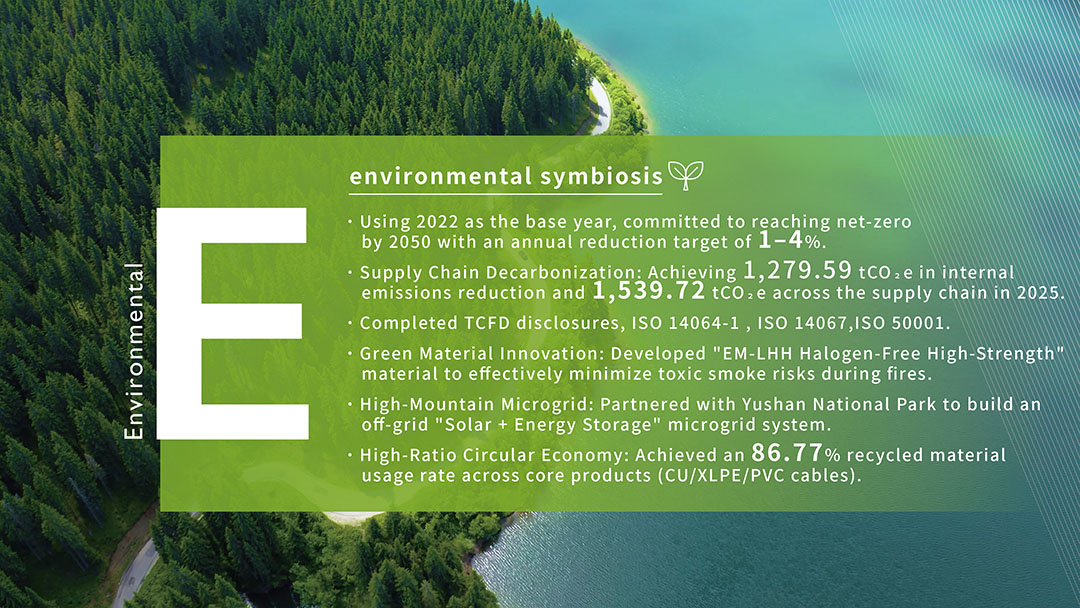
Sustainable green goals
(%)
within 2030Reduce greenhouse gas emissions
(MW)
In response to national energy storage policies Achieve target by 2050
(%)
In 2030, the factory will 「Non-reuse and recycling」 Ratio of waste to total waste
(%)
Improve in-factory efficiency by 2030「Reuse and recycling」Ratio of waste to total waste
Material usage
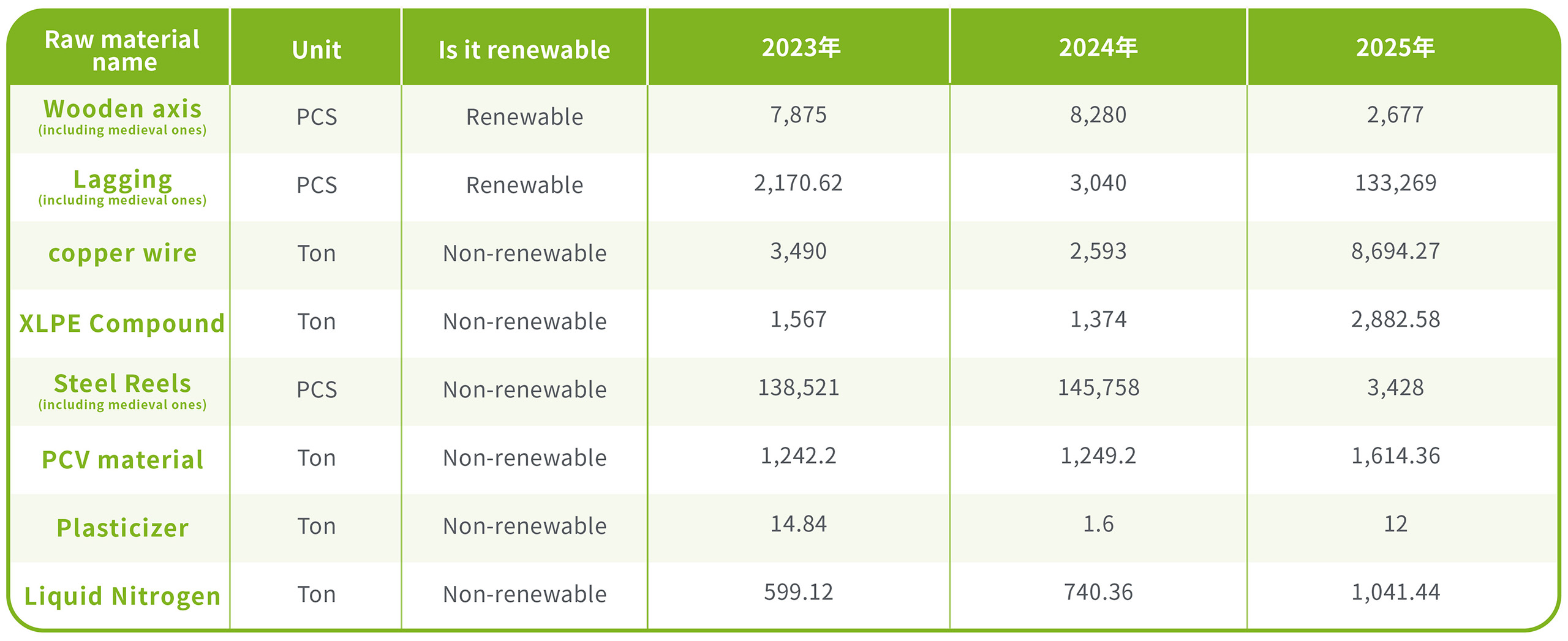
- In order to reduce the impact on the environment and achieve waste reduction, recycled packaging materials are used:
- Procurement rate of recycled wooden drums: 23.38%
- Procurement rate of recycled steel drums:36.35%
- Procurement rate of recycled lagging: 83.60%
waste disposal
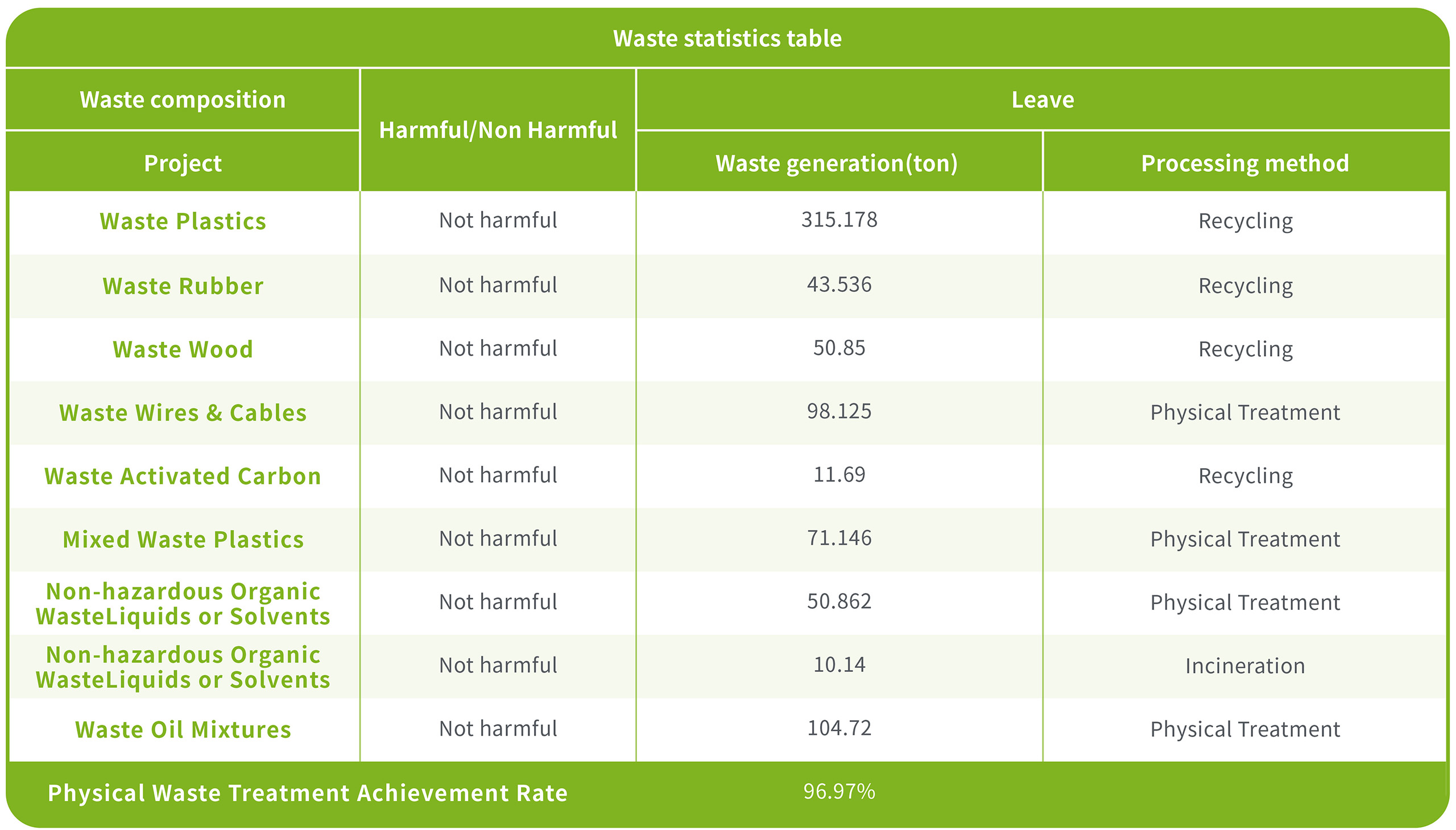
Policies and Strategies
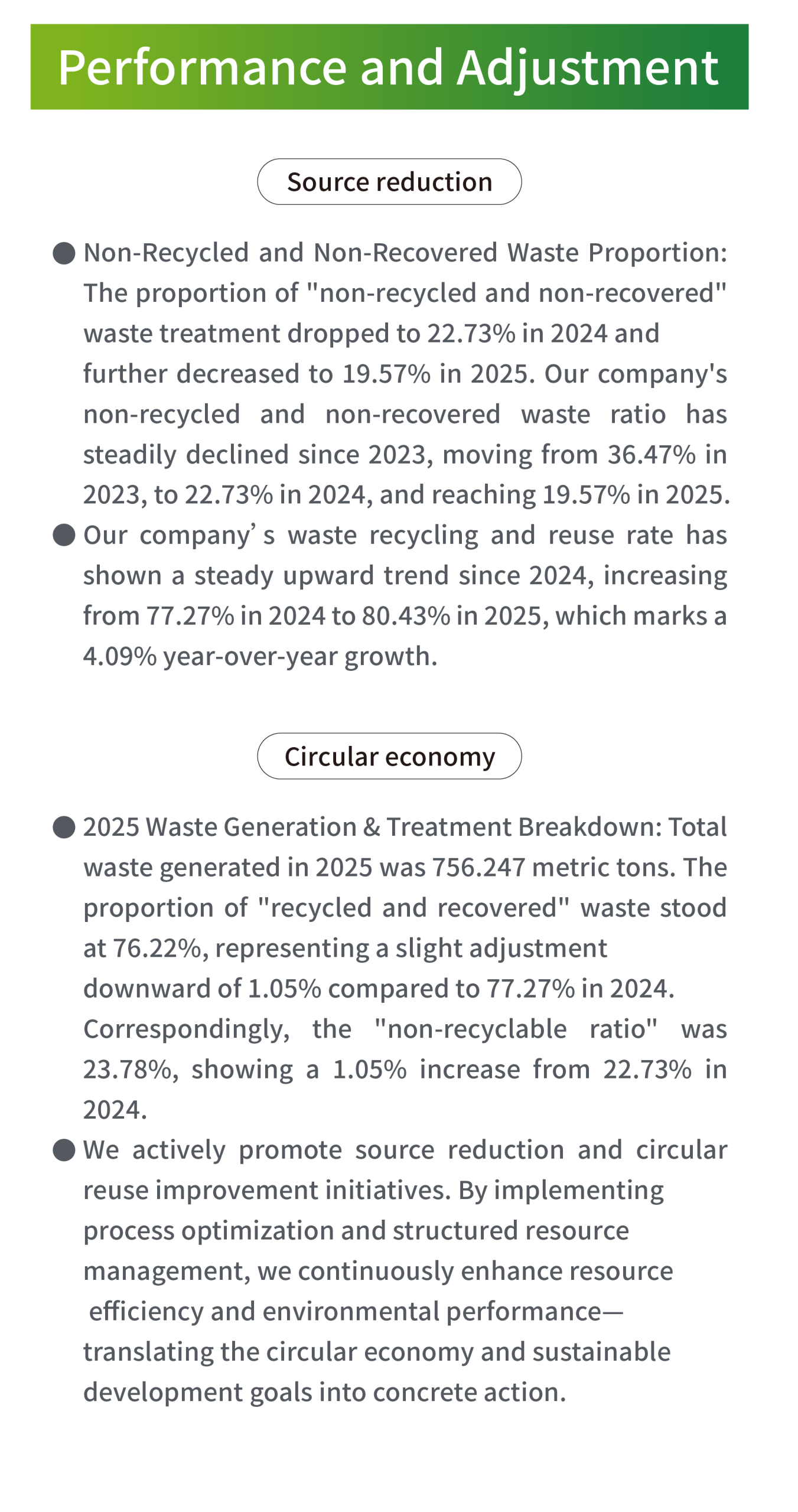
Regarding process waste, the goal is to increase the recycling and reuse rate of process waste and reduce the proportion of non-recyclable waste. Waste disposal is in compliance with legal specifications, the quantity is declared in accordance with the law, and qualified manufacturers are entrusted with removal and disposal. The management strategy for waste is “source reduction, circular economy, and audit guidance.” The production unit strictly implements waste classification management. Valuable waste is sold externally and recycled by external qualified manufacturers, and priceless waste is recycled Qualified vendors are entrusted to handle the cleanup and transportation. The company’s waste disposal has not caused any substantial impact on the environment.
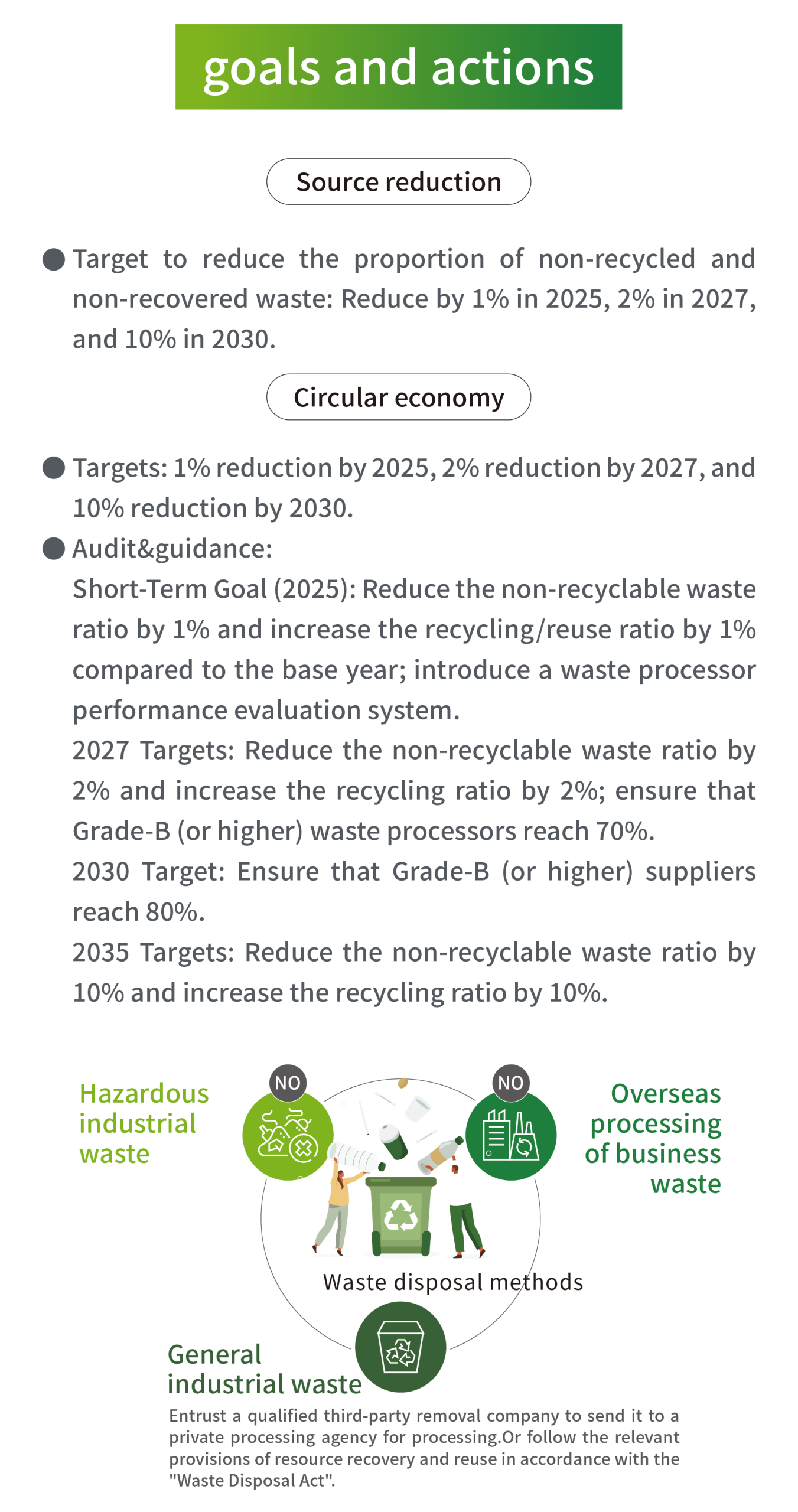
energy consumption
- Energy saving plans and results
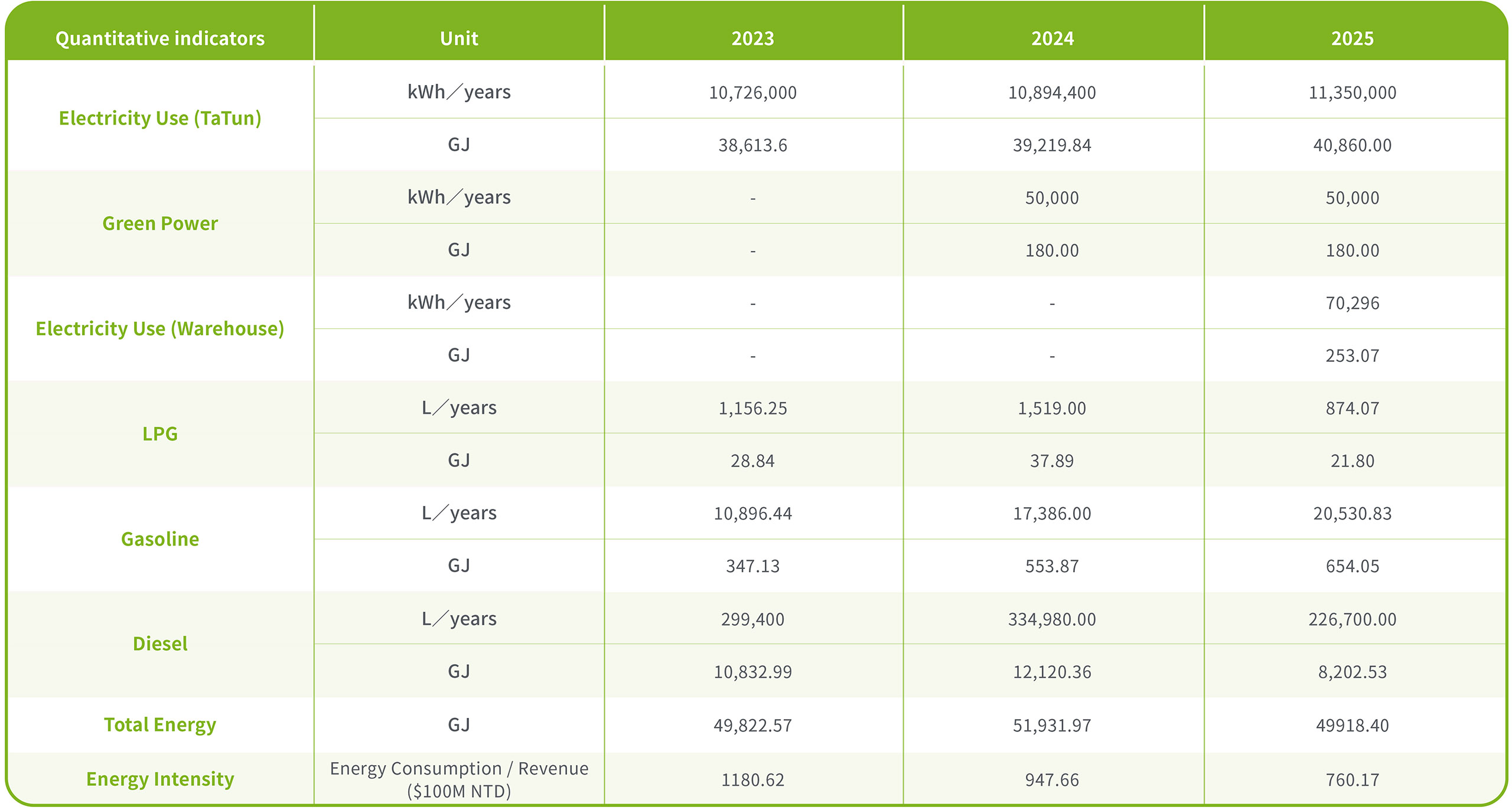
- In response to national energy conservation objectives, our company continues to implement various energy-saving measures, including the replacement of outdated equipment (such as air compressors and chillers).
- In 2025, total energy consumption reached 49,918.40 GJ, down by 2,013.56 GJ from 2024.
- Advancing green energy transformation through AI-driven process optimisation and circular economy initiatives, we have mapped out an energy-saving and emissions-reduction pathway. Focusing on three pillars—green factories, green energy, and green innovation—we enhance resource efficiency while minimising operational impacts on the environment and local communities.
greenhouse gas emissions
water resources management
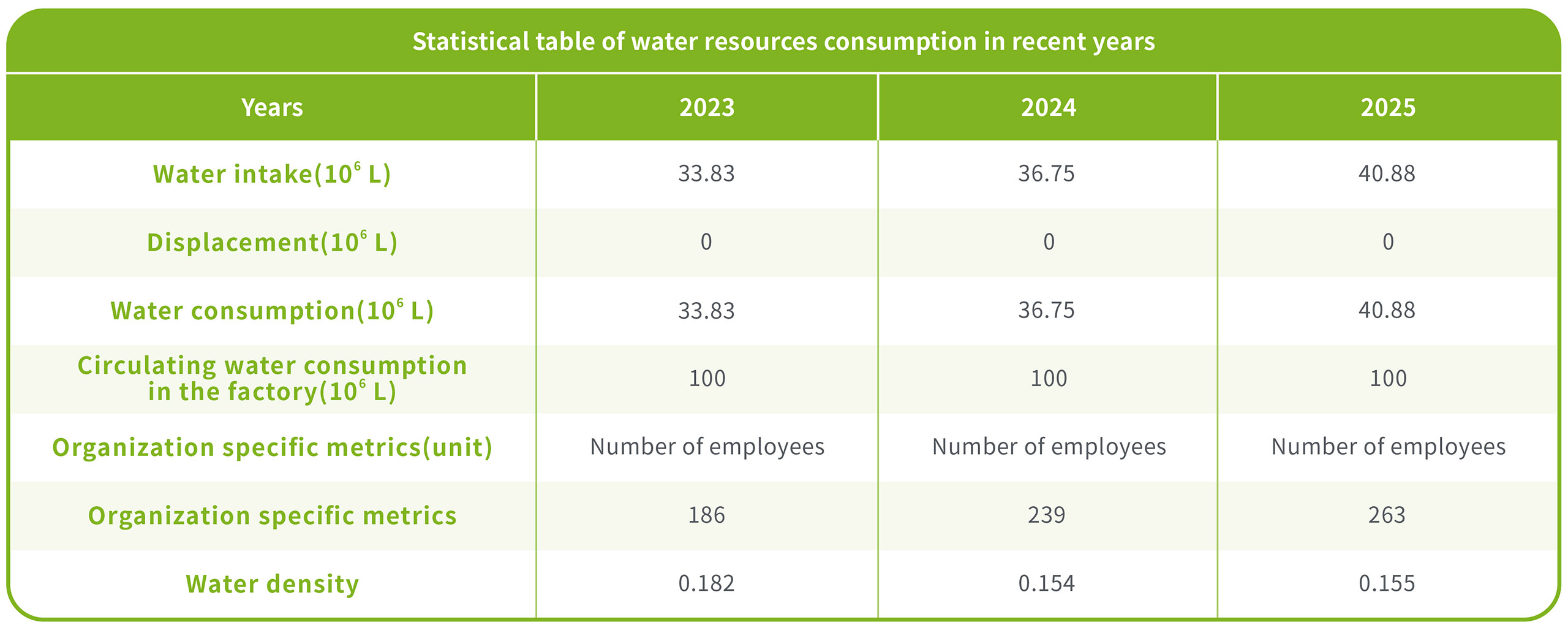
TATUN tap water is the main source of water supply
There is no waste water produced in the entire factory, and 100% of the process water used in the equipment and machines is recycled. The process water adopts an internal circulation system. Except for evaporation consumption, all process water will be returned from the process pipeline to the circulating pool for storage. When the process is needed, it will be returned from the circulating pool to the process for repeated use. When the water is insufficient, tap water will be replenished.
Energy policy
- Compliance: Adhere to energy regulations and meet customer requirements.
- Continuous Improvement: Enhance energy performance and implement energy management.
- Energy-Efficient Design: Support energy-efficient design to reduce energy consumption.
- Green Procurement: Support green procurement to achieve energy conservation and carbon reduction.
- Support Commitment: Ensure resource availability to meet energy objectives.
- Energy Conservation and Carbon Reduction: Improve energy efficiency and lower process energy consumption.
- Net-Zero Carbon Emissions: Drive carbon reduction transformation toward a sustainable vision.
